

Research continues to show that diets centered largely on plant foods offer a wide range of health benefits. Evidence suggests that plant-based eating may be more effective at lowering diabetes risk than low-carbohydrate diets, while also supporting cardiovascular health.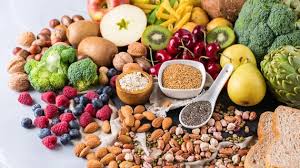
A large 30-year study published in 2024 found that diets with a greater proportion of plant protein relative to animal protein were associated with a reduced risk of cardiovascular disease. In addition, a 2025 study reported that a well-planned plant-based diet can provide nutritional value comparable to a Mediterranean-style diet that includes animal products.
Plant-based diets emphasize foods derived primarily from plants, such as:
vegetables
fruits
whole grains
beans
nuts and seeds
Although vegetarian and vegan diets are examples of plant-based eating, eliminating meat entirely is not required. Animal foods may still be included, but they typically play a smaller role in meals.
Healthy plant-based diets focus on whole, minimally processed foods rather than replacing meat with highly processed substitutes. The American Heart Association (AHA) recommends prioritizing nutrient-dense, high-quality plant foods when following this type of eating pattern.
Over the years, numerous studies have linked plant-forward diets with various health advantages. Below are recent research findings and expert insights on how plant-based eating compares with the Mediterranean diet, another widely recognized healthy dietary pattern.
Diabetes Risk: Plant-Based or Low-Carb?
In October 2025, a survey conducted by the Physicians Committee for Responsible Medicine and Morning Consult found that 65% of U.S. adults would consider switching to a low-fat, plant-based diet if advised by their healthcare provider.
While many people understand that fruits and vegetables support blood sugar health, only about one in five survey respondents recognized the link between plant-based diets and the prevention or reversal of type 2 diabetes.
Research cited by the Physicians Committee suggests that low-carbohydrate diets centered on animal products may be associated with a higher risk of developing type 2 diabetes.
One referenced paper examined a 22-week study involving 99 participants who followed either the American Diabetes Association (ADA) recommended diet or a low-fat vegan diet without calorie or unprocessed carbohydrate limits.
Results showed that 26% of participants following the ADA diet were able to reduce or stop diabetes medications, compared with 43% of those on the vegan diet.
Dawn Menning, MS, RD, CDCES, a registered dietitian and certified diabetes care and education specialist with the Nutu lifestyle app, suggests starting gradually when transitioning to plant-based eating.
“Begin with something like Meatless Monday to introduce more plant foods,” Menning said. “Choose simple vegetarian recipes that appeal to your household, and slowly shift so plants become the main focus of meals.”
Lower Cardiovascular Disease Risk
Research has also linked higher plant-to-animal protein ratios with improved heart health.
A 2024 study published in The American Journal of Clinical Nutrition found that people who consumed the highest proportion of plant-based protein had a 19% lower risk of cardiovascular disease and a 27% lower risk of coronary heart disease compared with those who consumed the least.
Andrea Glenn, RD, PhD, lead author of the study and a visiting scientist at Harvard T.H. Chan School of Public Health, noted that the average American diet contains roughly three times more animal protein than plant protein.
“Our findings indicate that increasing plant protein to at least a 1:2 ratio relative to animal protein could substantially reduce cardiovascular risk,” Glenn said. “For coronary heart disease, an even higher proportion of plant protein may be beneficial.”
The researchers suggested that replacing red and processed meats with plant-based protein sources such as nuts and legumes likely contributes to these benefits. These foods are typically rich in fiber, healthy fats, antioxidants, and vitamins, and may help improve blood lipids, inflammation markers, and blood pressure.
Comparing Plant-Based and Mediterranean Diets
A study published in Frontiers in Nutrition in November 2025 found that a strategically planned plant-based diet can offer nutritional benefits similar to those of a Mediterranean diet, while also potentially reducing environmental impact.
The researchers emphasized that careful planning is necessary to ensure adequate intake of essential nutrients when following a plant-based diet.
For the study, scientists from the University of Granada and the Spanish National Research Council analyzed four different one-week meal plans, each providing approximately 2,000 calories per day:
Mediterranean omnivorous diet
Pesco-vegetarian diet (includes fish)
Lacto-ovo vegetarian diet (includes eggs and dairy)
Vegan diet
Their analysis showed that a thoughtfully designed plant-based diet could meet most of the same nutritional targets as a Mediterranean-style omnivorous diet.
Michelle Routhenstein, MS, RD, CDCES, CDN, a preventive cardiology dietitian and founder of Entirely Nourished, who was not involved in the study, stressed the importance of evaluating overall diet and lifestyle.
“Intentional planning helps identify alternative sources of key nutrients typically obtained from animal foods,” she told Healthline. “Working with a registered dietitian can make it easier to maintain nutritional adequacy while following your dietary preferences.”
It’s important to note that this was a modeling study rather than a trial involving real participants. As a result, the findings represent ideal conditions and may not reflect everyday challenges such as cost, taste preferences, cooking skills, or access to fortified foods.
Even so, the results provide encouraging evidence for those considering a shift toward plant-based eating. With thoughtful planning, individuals can meet their nutritional needs while also making food choices that support both personal health and environmental sustainability.
The key takeaway is that adopting a fully plant-based diet is not necessary to see benefits. Making small, gradual changes—such as increasing the number of plant-focused meals—can help support good nutrition and reduce environmental impact.