

Holiday celebrations often revolve around food, and while the meals are enjoyable, they can leave many people feeling uncomfortably bloated. Health professionals say this digestive discomfort is common during the holidays, but it can be managed with a few simple strategies. Paying attention to food sensitivities, eating consistently, making thoughtful substitutions, and moderating alcohol intake can all help ease bloating after large meals.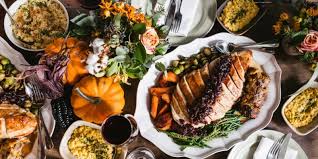
A very full stomach usually signals a satisfying meal—but when it’s overloaded, discomfort often follows.
For many people, bloating is an expected side effect of holiday eating. Data from the Calorie Control Council shows that a typical holiday dinner can exceed 3,000 calories, nearly double the daily recommended intake for adult women according to the 2020–2025 Dietary Guidelines for Americans.
The stomach can only hold so much. On average, it begins to stretch after about 2.5 ounces of food and can expand to hold up to 2–3 liters. When it reaches this limit, symptoms like indigestion, nausea, and abdominal discomfort may occur.
To help relieve that heavy, sluggish feeling, nutrition experts recommend the following five tips to support digestion during and after holiday meals.
Know which foods cause problems
When attending holiday gatherings, you may not always know how dishes are prepared or what ingredients they contain. This can make it harder to avoid foods that trigger bloating.
“Whether the issue is dairy, gluten, or another food, understanding your personal triggers allows you to limit them and reduce digestive discomfort,” said nutrition expert Michael Hartman, PhD.
Hartman suggests asking hosts ahead of time about menu items and ingredients.
“They want their guests to feel good, not sick,” he said.
Registered dietitian Erin Palinski-Wade, author of Belly Fat Diet For Dummies, recommends keeping a food journal to identify triggers.
“Record what you eat, portion sizes, timing, emotions, and any symptoms you experience,” she explained.
“This can help reveal patterns and show whether stress or specific foods are contributing to bloating.”
Don’t arrive starving
Skipping meals earlier in the day to “save calories” for a holiday feast can actually make bloating worse.
“Waiting too long between meals often leads to eating too fast and too much, which can increase bloating,” Palinski-Wade said.
She recommends eating regular meals and snacks throughout the day to keep digestion steady.
She also cautioned that bloating may increase when people suddenly eat more fiber than usual, consume large portions of cruciferous vegetables at once, or eat meals high in fat, sodium, and added sugars.
Make simple food swaps
If you’re hosting—or know what foods will be served—small changes can make holiday meals easier on digestion.
“There are easy ways to adjust traditional holiday foods while still enjoying them,” Hartman said.
For example, swap cheese-heavy appetizers for hummus with pita and vegetables. Replace buttery mashed potatoes with sweet potatoes, or choose legumes instead of refined rice dishes. Legumes are rich in potassium, which helps offset sodium-related water retention.
Palinski-Wade also suggests using milk instead of heavy cream and relying on spices like cinnamon or nutmeg to add flavor without excess salt.
If changing recipes feels like too much effort, moderation is a simpler approach. She recommends surveying all food options before filling your plate.
“Aim for balance—one-third vegetables, one-third lean protein, and one-third favorite sides,” she said. “This allows you to enjoy everything without overeating, which can reduce bloating.”
Add leafy greens gradually
Leafy vegetables such as spinach, kale, chard, bok choy, and asparagus are low in calories, high in water, and rich in fiber and nutrients.
“They’re especially helpful for supporting digestion and minimizing bloating,” Hartman said.
However, Palinski-Wade advises increasing fiber slowly.
“Adding too much fiber too quickly—especially without enough water—can actually cause bloating and constipation,” she said.
She recommends increasing leafy greens by about half a cup every three days and drinking more water as fiber intake rises. Cooking vegetables, particularly gas-producing ones like broccoli, may also help reduce bloating compared to eating them raw.
Be mindful with alcohol
Alcohol is often part of holiday celebrations, but it can worsen bloating, especially after heavy meals.
Alcohol contributes to dehydration, which causes the body to retain water and may increase swelling and discomfort.
“Alcohol slows digestion, promotes inflammation, and increases water retention,” Hartman said. “All of these effects can contribute to bloating.”
To stay hydrated, Palinski-Wade suggests keeping water visible, setting reminders to drink, or using a hydration-tracking app. She also recommends sipping water throughout the day rather than drinking large amounts at once.
She advises limiting alcohol to one drink per day for women and two for men, and pairing each alcoholic beverage with a glass of water.
Festive mocktails made with sparkling water and 100% juice can be a satisfying alternative. One favorite option combines seltzer, tart cherry juice, and a slice of lime for a drink that feels celebratory without the added bloating.
Hartman also recommends choosing nonalcoholic cider or punch instead of drinks like mulled wine or spiked eggnog.