

Crafting Caribbean meals involves combining foods from the region’s main food groups — staples, legumes, animal foods, and vegetables — to make flavorful, nutritionally balanced dishes.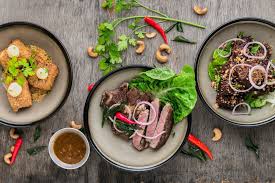
The Caribbean is a richly diverse region where different ethnic communities maintain distinct culinary traditions. These practices are celebrated during religious and cultural festivals and continue to strengthen a shared sense of heritage.
In my home country, Trinidad and Tobago, for example, cultural and religious holidays often center around traditional foods that bring families and communities together.
However, the Caribbean and its global diaspora face high and rising rates of nutrition-related illnesses such as anemia, diabetes, and cardiovascular disease (1Trusted Source, 2Trusted Source).
Studies reveal that when Caribbean people are given culturally relevant nutrition education, they tend to make healthier food and beverage choices — an essential step in reducing chronic disease rates (3Trusted Source).
This shows that traditional Caribbean foods can play a vital role not only in promoting health but also in nurturing cultural identity and family connections.
This guide explains how to plan nutritious, balanced Caribbean meals using the multi-mix principle.
Understanding the Multi-Mix Principle
Although Caribbean nations have developed their own nutritional guidelines, global diets such as the Mediterranean diet or the U.S. MyPlate model often dominate the conversation around healthy eating (4).
This lack of regional representation may unintentionally imply that Caribbean foods are less healthy — which is far from true.
The Caribbean Food and Nutrition Institute (CFNI) developed the Six Food Groups model and the multi-mix principle to highlight the region’s nutritious diversity, though these guidelines haven’t been updated in about two decades (5).
The six food groups are: staples, legumes, animal foods, fruits, vegetables, and fats and oils (5).
Staples — including rice, root vegetables (tubers), wheat, oats, corn, and starchy fruits — form the base of most Caribbean meals.
Animal foods include fish, poultry, red meat, eggs, and dairy products.
The multi-mix principle focuses on four of these six groups — staples, animal foods, vegetables, and legumes — and teaches how to combine them for balanced, nutrient-rich meals.
Depending on how many groups are included, meals can follow a two-, three-, or four-mix pattern to ensure a variety of essential nutrients.
Summary
The multi-mix principle combines four core Caribbean food groups — staples, legumes, animal foods, and vegetables — in two-, three-, or four-way combinations for nutritionally balanced meals.
Two-Mix Meals
A two-mix meal is the simplest and most affordable version. It combines:
A cereal grain, plus 2. legumes or animal foods, or
Ground provisions (tubers), plus 2. animal foods
When grains like rice are paired with legumes such as beans, peas, or peanuts, they form a complete protein, meaning they supply all nine essential amino acids required for good health (6Trusted Source, 7Trusted Source).
This shows that meat isn’t the only source of high-quality protein.
Legumes are also packed with fiber and plant compounds that support heart health and help regulate blood pressure, cholesterol, and blood sugar (8Trusted Source, 9Trusted Source, 10Trusted Source).
On the other hand, tubers like cassava, dasheen (taro), sweet potato, yam, and eddoe don’t provide a complete protein when eaten with legumes, so they’re best paired with meat or fish.
Ground provisions are valuable sources of complex carbohydrates, fiber, and nutrients that support healthy cholesterol and blood sugar levels (11Trusted Source, 12Trusted Source, 13Trusted Source).
Examples of Two-Mix Meals
Rice and stewed lentils
Dasheen and curried crab
Bread and peanut butter
Summary:
A two-mix meal is cost-effective and nutritionally solid, pairing grains with legumes or meat. Tubers should be eaten with meat or fish to ensure adequate protein.
Three-Mix Meals
A three-mix meal expands on the two-mix by adding non-starchy vegetables, bringing in three of the four main food groups:
A cereal grain, plus 2. legumes or animal foods, and 3. non-starchy vegetables
Ground provisions, plus 2. animal foods, and 3. non-starchy vegetables
A cereal grain or ground provision, plus 2. legumes and 3. animal foods
Non-starchy vegetables like cabbage, spinach, zucchini, tomatoes, onions, and Brussels sprouts are low in carbohydrates and high in fiber and micronutrients such as vitamin C, calcium, folate, and iron (4).
These vegetables support healthy blood sugar and cholesterol levels and may help lower cancer risk (14Trusted Source, 15Trusted Source).
Examples of Three-Mix Meals
Rice, dhal (split peas), and sautéed bhagi (spinach)
Sada roti, saltfish buljol, and tomato choka
Stewed oxtail, pigeon peas, and rice
Summary:
A three-mix meal adds non-starchy vegetables to a two-mix, increasing fiber and nutrient content.
Four-Mix Meals
A four-mix meal includes all four foundational food groups: staples, legumes, vegetables, and animal foods.
Cereal grains, legumes, animal foods, and non-starchy vegetables
Ground provisions, legumes, animal foods, and non-starchy vegetables
Four-mix meals are common for Sunday lunches — large family meals enjoyed throughout the Caribbean — and in one-pot dishes like pelau.
Pelau is a traditional dish made by caramelizing chicken and cooking it with rice, pigeon peas, and vegetables such as carrots and sweet peppers. It’s often served with coleslaw or a fresh salad.
Another classic Sunday meal might include rice, macaroni pie, stewed beans, callaloo, plantains, baked chicken, and salad.
Callaloo is a thick, savory dish made from taro leaves, pumpkin, okra, coconut milk, and seasonings like garlic and onions, often cooked with crab or smoked turkey.
Another four-mix example is cornmeal dumplings served with stewed lentils, steamed fish, and a crisp salad.
Summary:
Four-mix meals bring together all four foundational groups — staples, legumes, vegetables, and animal foods — and are typical of traditional Caribbean family meals.
The Remaining Caribbean Food Groups
The last two Caribbean food groups — fruits and fats and oils — are not part of the multi-mix formula but are still essential to a healthy diet. It’s recommended to eat at least two servings of fruit and three servings of fats daily (5).
Fats and Oils
This group includes coconut oil, coconut milk, avocado, peanut butter, and cooking oils.
Although high in calories, fats are vital for maintaining body temperature and absorbing fat-soluble vitamins A, D, E, and K (16Trusted Source).
Traditional Caribbean dishes almost always include fat — whether through cooking oils, butter, or ingredients like avocado (locally known as zaboca). Avocados are especially heart-healthy, providing monounsaturated fats that can lower bad cholesterol and reduce heart disease risk (17Trusted Source, 18Trusted Source).
Fruits
The fruit group includes fresh, frozen, dried, or canned Caribbean fruits.
Low fruit consumption is linked to digestive issues such as constipation and chronic diseases like certain cancers (9Trusted Source, 19Trusted Source).
Local fruits such as mango, pommecythere, Portugal fruit, guava, silk fig (banana), and five-finger (carambola) are just as nutritious as imported options.
For example, the West Indian cherry (acerola) provides 22 times more vitamin C per cup (98 grams) than kiwi (20Trusted Source, 21Trusted Source).
Fruits can be enjoyed raw, as snacks, or in chows — half-ripe fruit seasoned with salt, pepper, and hot peppers like habanero or pimento.
Summary:
Though not part of the multi-mix combinations, fruits and fats should still be included daily for optimal health.
The Takeaway
Chronic diet-related diseases are increasing throughout the Caribbean, yet regional foods are often overlooked in mainstream nutrition guidance.
The multi-mix principle offers a culturally relevant approach, combining four main Caribbean food groups — staples, legumes, vegetables, and animal foods — into simple, nutritious meal combinations.
The remaining food groups — fruits and fats and oils — should still be consumed daily, with at least two servings of fruit and three servings of fats.
By embracing the multi-mix method, Caribbean people can enjoy their traditional foods while supporting better health and preserving cultural heritage.