

Holiday meals are delicious, but they can also leave you feeling bloated and uncomfortable. Fortunately, health experts suggest a few simple strategies to help reduce stomach discomfort during the festive season. By recognizing your triggers, making healthier food swaps, and cutting back on alcohol, you can enjoy your meals without the bloat.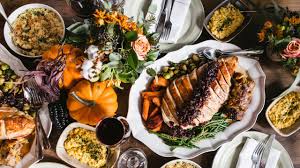
A full stomach is often a sign of a great meal, but it can also lead to unpleasant aftereffects.
For many, that bloated feeling is a familiar part of the holiday experience. The Calorie Control Council reports that a typical holiday dinner can contain over 3,000 calories, which is nearly twice the recommended daily calorie intake for women, based on the 2020–2025 Dietary Guidelines for Americans.
The stomach can only hold so much food. The average stomach holds about 2.5 ounces before needing to expand and can hold up to 2 to 3 liters of food. Filling it past its capacity can lead to discomfort, including indigestion and nausea.
To help avoid that sluggish, overly full feeling, experts recommend these five tips to prevent bloating during and after big holiday meals.
1. Identify Your Trigger Foods
When attending a party, you may not always know exactly what ingredients are in the food. But understanding which foods cause you discomfort can help avoid bloating. Whether it’s dairy, gluten, or something else, knowing your sensitivities will allow you to limit or avoid foods that could upset your stomach.
Nutritionist Michael Hartman, PhD, suggests asking the host about the ingredients in the dishes being served. “Hosts will be happy to accommodate you and ensure you feel well,” he says.
To pinpoint which foods trigger bloating, Erin Palinski-Wade, registered dietitian, recommends keeping a food journal. Note what you eat, when you eat, and how you feel afterward. This can help you spot patterns and identify foods that are causing discomfort.
2. Don’t Skip Meals Before the Party
It might be tempting to skip meals earlier in the day to “save room” for the big feast, but this can backfire and lead to overeating. According to Palinski-Wade, waiting too long between meals can make you ravenous and cause you to eat too quickly, which can trigger bloating.
Instead of skipping meals, try to eat small, balanced meals and snacks throughout the day. Be mindful of foods that can cause bloating, such as large portions of cruciferous vegetables or meals high in fat, sugar, or salt.
3. Make Simple Food Swaps
If you’re the host or know what will be served, consider swapping out some ingredients for healthier options that are less likely to cause bloating.
Hartman suggests trying alternatives like hummus with pita and fresh vegetables instead of cheese balls, or switching from mashed potatoes to sweet potatoes. He also recommends choosing legumes over starchy rice to balance out sodium and help reduce bloating.
Palinski-Wade advises substituting milk for heavy cream in recipes and using spices like cinnamon and nutmeg to add flavor instead of salt. If making swaps feels overwhelming, focus on portion control. “Review all the food options and fill your plate with a third of vegetables, a third of lean protein, and a third of your favorite side dishes,” she says.
4. Load Up on Leafy Greens
Leafy vegetables like spinach, kale, and bok choy are high in water, low in calories, and packed with vitamins and fiber—perfect for reducing bloating. Hartman recommends adding them to your meals to help ease digestion.
However, Palinski-Wade suggests gradually increasing your fiber intake. Suddenly eating a lot of fiber can lead to bloating. She also stresses the importance of drinking water as you increase your fiber intake. Add about half a cup of leafy greens to your plate every three days to help your system adjust without causing discomfort.
5. Cut Back on Alcohol
While alcoholic beverages are a big part of holiday celebrations, they can make bloating worse by causing dehydration and increasing water retention. Hartman explains, “Alcohol can slow digestion and lead to inflammation, which contributes to bloating and discomfort.”
To stay hydrated, Palinski-Wade recommends drinking plenty of water throughout the day. To prevent bloating, don’t drink too much water at once; instead, space it out. For alcohol, limit yourself to one drink per day if you’re a woman, or two drinks per day if you’re a man. For every alcoholic drink, try to have a glass of water as well.
For a festive, bloat-free drink, Palinski-Wade suggests making a mocktail with seltzer water, tart cherry juice, and a slice of lime. You can also opt for nonalcoholic cider or punch instead of mulled wine or eggnog.