

All aboard the plant-powered movement! As another year unfolds, enthusiasm for plant-based protein continues to rise with no sign of slowing.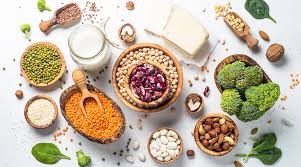
Findings from the International Food Information Council’s 2022 Food and Health Survey reveal that 12% of Americans now follow a plant-based eating pattern, while 31% report increasing their intake of foods made from whole plant sources.
At the same time, the market is overflowing with new plant-forward protein options. From innovative protein powders and nondairy milks to meat alternatives, the choices keep growing—alongside long-time staples like beans, quinoa, and tofu that have always provided reliable plant protein.
If you’re thinking about turning to plants to stay satisfied, support muscle growth, or manage weight, here’s a look at what science says about plant-based protein, how it compares, and why it matters for both personal and environmental health.
Comparing plant-based protein sources
Below is a snapshot of common plant-based protein foods and their nutritional content per serving:
| Source | Serving size | Calories | Protein | Fat | Carbs | Fiber | Sodium |
|---|---|---|---|---|---|---|---|
| Black beans (canned, no salt) | ½ cup | 114 | 7.5 g | 0.5 g | 20 g | 15 g | 0.5 mg |
| Extra-firm tofu | 3.5 oz | 94 | 10.6 g | 4.7 g | 3.5 g | 1.2 g | 18 mg |
| Chickpeas (canned, low sodium) | ½ cup | 105 | 6 g | 2.3 g | 16.2 g | 5.3 g | 158 mg |
| Edamame | ½ cup | 94 | 9.2 g | 4 g | 7 g | 4 g | 4 mg |
| Peanut butter (smooth, no salt) | 2 Tbsp | 191 | 7.1 g | 16.4 g | 7.1 g | 1.4 g | 5 mg |
| Quinoa (cooked) | 1 cup | 222 | 8.1 g | 3.5 g | 39.4 g | 5.1 g | 13 mg |
| Oats | ½ cup | 153 | 5.3 g | 2.5 g | 25 g | 4 g | 3 mg |
| Lentils | ½ cup | 115 | 9 g | 0.4 g | 20 g | 8 g | 2 mg |
| Seitan (vital wheat gluten) | ¼ cup | 104 | 21 g | 0.5 g | 4 g | 0.2 g | 10 mg |
| Pea protein powder | 1 scoop (22 g) | 100 | 19 g | 2 g | 1 g | 0 g | 260 mg |
What the research says about plant-based protein
When weighing plant protein against animal protein, taste and price matter—but health is often the driving factor.
Is plant protein nutritionally adequate?
For decades, people avoiding meat worried about getting “complete” protein—foods that supply all nine essential amino acids.
Because many plant foods don’t contain all nine in one source, people were encouraged to carefully pair foods, such as rice with beans. Today, experts generally agree that this level of planning isn’t necessary.
A varied, balanced diet typically provides sufficient amounts of all amino acids. Supporting this view, a 2019 study found that individuals following vegetarian and vegan diets consumed more than enough protein and amino acids, suggesting that concerns about deficiencies are often exaggerated.
Vitamin B12 considerations
One nutrient plant-based proteins don’t naturally provide is vitamin B12, which is essential for brain health and red blood cell production. Those following a fully vegan diet usually need to rely on fortified foods or supplements to meet B12 needs.
Possible drawbacks to keep in mind
Replacing animal protein with plant protein is linked to many positive health outcomes, including better weight control, lower risk of type 2 diabetes, and increased longevity. Still, there are a few cautions worth noting.
Highly processed plant foods
Some plant-based products—especially meat and cheese substitutes—are highly processed.
“Depending on the product, sodium and saturated fat levels can match or exceed those found in meat,” says Christine Milmine, RDN, founder of Plant Powered You. Reading nutrition labels is essential.
Dietitian Amy Gorin, MS, RDN, also advises moderation. While these foods can be enjoyable, she suggests they shouldn’t replace whole foods at every meal.
Allergies and sensitivities
Those with allergies to soy or nuts may need to be selective when choosing plant-based proteins. Additionally, people with digestive concerns like irritable bowel syndrome may need to watch fiber intake, as many plant proteins are fiber-rich.
Addressing soy myths
Soy has long been linked to concerns about hormones and cancer, but current research does not support these claims.
A large 2020 study involving more than 300,000 women found that higher soy intake was associated with a reduced risk of breast cancer. The American Cancer Society also states that soy foods are safe and beneficial.
Environmental impact of plant-based protein
Choosing more plant protein doesn’t just support personal health—it also benefits the planet.
Lower greenhouse gas emissions
A 2019 study showed that switching from an omnivorous diet to a vegan diet reduced individual greenhouse gas emissions by 50%. A lacto-ovo vegetarian diet reduced emissions by 35%.
Less water use
Plant proteins require far less water than animal proteins. Data from the Water Footprint Network shows that beef, poultry, and pork use significantly more water than plant-based options like legumes, nuts, and grains. Beef, for instance, has a water footprint about six times greater than pulses.
Global recommendations
The environmental impact of reducing meat consumption is so significant that the U.N.’s 2019 climate report called for a worldwide reduction in animal protein intake.
Common questions about plant-based protein
Which plant-based proteins are best?
The best options provide protein along with other nutritional benefits. Beans stand out because they also supply fiber, which supports digestive health and reduces disease risk.
Tofu is another strong choice due to its versatility and mild flavor. Soy allergies are also less common than many people believe.
Nuts are convenient, nutrient-dense options as well. Pistachios, for example, offer 6 grams of protein per quarter-cup serving.
Who should be cautious?
Most people can enjoy plant-based foods, but some need to take extra care. Individuals limiting sodium or fat should read labels on processed plant-based products. Those with soy or nut allergies should carefully review ingredients, and anyone sensitive to fiber may prefer lower-fiber options like tofu or soy milk.
Plant protein powder vs. whey
Both plant-based and whey protein powders can support muscle growth and weight management. Plant-based powders may contain slightly less protein per serving or lack complete amino acid profiles, but they’re often easier to digest and suitable for vegans. Whey, by contrast, is derived from dairy.
Taste of plant-based protein powders
Taste varies by brand and flavor. Online reviews suggest some plant-based powders stand out, such as vanilla-flavored superfood blends with tens of thousands of positive ratings. With so many options available, experimenting can help you find one you enjoy.
Final thoughts
From beans and lentils to tofu, nuts, and protein powders, plant-based proteins offer affordability, strong nutrition, and variety. When combined with their environmental benefits and the growing evidence supporting their health value, it’s easy to see why plant proteins deserve a bigger place in everyday meals.