

Plant-based oils are everyday kitchen staples, used for everything from sautéing and frying to making sauces, drizzling over pizza, and keeping pasta from sticking.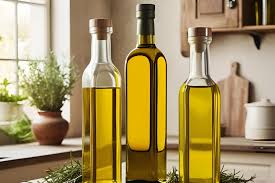
Two of the most commonly used options worldwide are olive oil and vegetable oil. Although they’re often used interchangeably, they differ in how they’re produced, how they taste, their nutritional value, and their potential effects on health.
This article breaks down those differences and similarities to help clarify which option may be better for you.
How olive oil and vegetable oil differ
The main distinctions between olive oil and vegetable oil lie in their sources, processing methods, culinary applications, flavor profiles, and nutrient content.
Olive oil is made by pressing olives, while vegetable oil is usually a blend of oils from plants such as sunflower, corn, canola, soy, and safflower.
Olive oil is commonly used for salad dressings, light sautéing, and dipping bread, whereas vegetable oil is more often used for baking and deep frying.
In terms of nutrition, olive oil—especially extra virgin—contains vitamins E and K and a variety of antioxidants. Vegetable oil, due to heavy refining, typically contains only trace nutrients. Olive oil is also far less processed, while vegetable oil undergoes extensive processing. Their smoke points are similar, with olive oil around 390°F (200°C) and vegetable oil around 400°F (205°C).
Processing and taste
After extraction, most plant oils are refined using heat and chemicals to remove impurities and extend shelf life. As processing increases, flavor and nutritional value decrease.
Extra virgin olive oil is minimally processed and retains a strong, distinctive olive flavor. Vegetable oil, on the other hand, is refined to be neutral in taste.
Olive oil comes from a single source—olives—with extra virgin being the least processed form. Vegetable oil blends multiple plant oils, requiring additional refining to remove odors, colors, and flavors, which results in a bland final product.
Nutritional comparison
Processing level has a major impact on an oil’s nutritional quality.
Both olive oil and vegetable oil contain unsaturated fats, but olive oil is richer in monounsaturated fats, such as oleic acid. Vegetable oil contains higher amounts of omega-6 polyunsaturated fats.
Monounsaturated fats are linked to reduced inflammation and better heart health. Omega-6 fats are essential but may contribute to inflammation when consumed in large amounts.
Extra virgin olive oil retains antioxidants and anti-inflammatory compounds like polyphenols, tocopherols, and carotenoids, along with small amounts of vitamins E and K. In contrast, the refining process used to make vegetable oil removes most micronutrients and beneficial plant compounds.
Summary
Vegetable oil is a highly refined blend that offers little nutritional value and is high in pro-inflammatory fats. Olive oil, particularly extra virgin, is minimally processed and rich in beneficial compounds.
Similarities between the two oils
Olive oil and vegetable oil have comparable smoke points, generally around 400°F (205°C), which is the temperature at which oils begin to break down.
Not all olive oils are minimally processed, however. Refined varieties, such as pomace oil, lack many nutrients and the signature flavor of extra virgin olive oil, making them more similar to vegetable oil. Oils labeled “virgin” or “extra virgin” are less processed and retain more flavor and nutrients.
Summary
While both oils tolerate similar cooking temperatures, only extra virgin olive oil consistently provides meaningful nutritional benefits.
Which is the healthier choice?
Extra virgin olive oil is among the least processed cooking oils available, allowing it to retain antioxidants, vitamins, and minerals.
Its polyphenols and antioxidants have been widely studied for their potential to support heart health. Some research also suggests that replacing vegetable oil with extra virgin olive oil may benefit brain function, particularly in older adults.
Vegetable oil, by contrast, is heavily refined to remove flavor and blend multiple oils, leaving it with few health-promoting compounds.
Overall, when choosing a cooking oil, extra virgin olive oil is generally a healthier option than vegetable oil blends.
Summary
Although both oils have their place in cooking, extra virgin olive oil stands out as the healthier choice due to minimal processing and a higher concentration of beneficial nutrients.
Bottom line
Olive oil and vegetable oil are both widely used, but they are not nutritionally equal.
Vegetable oil is typically a heavily processed blend that lacks many naturally occurring nutrients and is high in omega-6 fatty acids. Extra virgin olive oil, on the other hand, preserves antioxidants, trace vitamins, and heart-healthy monounsaturated fats.
If you include plant oils in your diet, choosing minimally processed extra virgin olive oil is a healthier alternative to vegetable oil.